

Social Responsibility Projects Gain Attention Among Leading Lash Brands
Social Responsibility Projects Gain Attention Among Leading Lash Brands
In the rapidly expanding false lash industry, a notable shift is underway: leading brands are increasingly prioritizing social responsibility projects, marking a departure from a sole focus on product innovation and market share. This trend, driven by evolving consumer expectations, global sustainability goals, and a growing recognition of ethical business practices, is reshaping how lash brands operate and connect with their audiences.
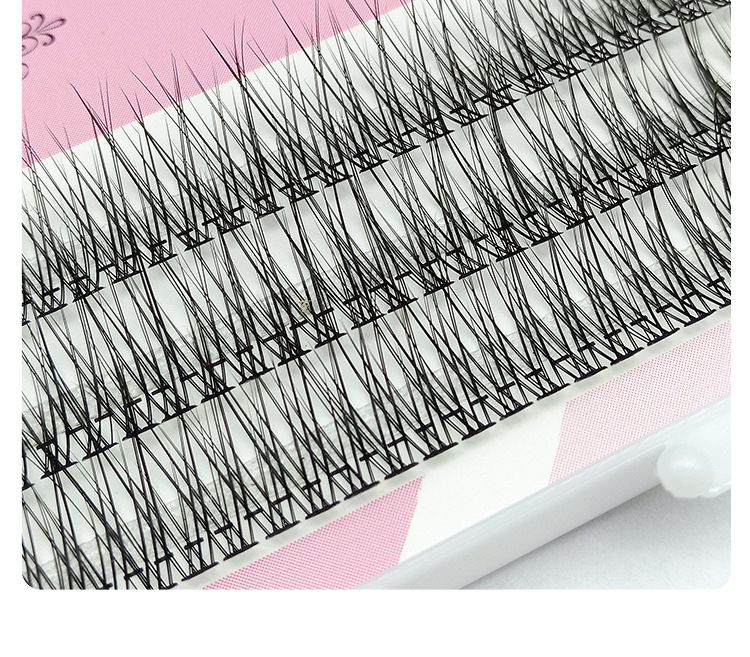
Social responsibility in the lash sector manifests in diverse forms, with environmental sustainability and ethical labor practices emerging as key pillars. Many top brands are reevaluating their supply chains, from raw material sourcing to production processes, to minimize ecological footprints. For instance, several industry leaders have begun replacing traditional synthetic lash fibers—often derived from non-biodegradable plastics—with eco-friendly alternatives such as plant-based silk or recycled materials. These innovations not only reduce plastic waste but also align with the rising demand for "clean beauty" products among environmentally conscious consumers.
Ethical labor practices are another critical area of focus. Historically, the lash industry, like many manufacturing sectors, has faced scrutiny over working conditions in production facilities, particularly in regions with high lash manufacturing concentration. Leading brands are now taking proactive steps to address this, implementing fair wage policies, ensuring safe working environments, and partnering with third-party auditors to verify labor standards. Some have even launched training programs to upskill workers, empowering them with technical skills that enhance employability and job security.
Community engagement is also becoming a cornerstone of these initiatives. Brands are increasingly investing in local communities where their production facilities are based, supporting education, healthcare, and women’s empowerment programs. For example, one prominent lash brand recently launched a scholarship fund for female students in its manufacturing hub, aiming to bridge gender gaps in education and foster long-term community development. Such projects not only create positive social impact but also strengthen brand loyalty, as consumers increasingly seek to align with companies that demonstrate a commitment to people and planet.
The driving force behind this shift is clear: modern consumers, especially Gen Z and millennials, are no longer satisfied with just high-quality products—they want to support brands that reflect their values. A 2023 consumer survey by a beauty industry research firm found that 68% of lash buyers consider a brand’s ethical and sustainability practices when making purchasing decisions, with 53% willing to pay a premium for products from socially responsible brands. This demand is pushing brands to integrate social responsibility into their core business strategies, rather than treating it as a marketing afterthought.
Beyond consumer pressure, regulatory trends and global sustainability frameworks are also influencing brands. With governments worldwide tightening environmental regulations and investors prioritizing ESG (Environmental, Social, Governance) criteria, lash brands recognize that social responsibility is not just a moral imperative but a business necessity. Companies with strong ESG credentials are more likely to attract investment, secure partnerships, and mitigate risks associated with regulatory non-compliance.
However, challenges remain. Implementing social responsibility projects often requires significant upfront investment, and smaller brands may struggle to compete with larger players that have more resources. Additionally, greenwashing—exaggerating or misleading claims about sustainability—poses a risk to consumer trust. To address this, industry leaders are advocating for greater transparency, with some publishing annual sustainability reports and third-party certifications to validate their efforts.
As the lash industry continues to grow, social responsibility is set to become a defining factor in brand success. Leading brands that embed ethical practices into their operations are not only contributing to a more sustainable future but also building deeper connections with consumers. For manufacturers and brands alike, the message is clear: in today’s beauty market, doing good is not just good for the planet and communities—it’s good for business.


